Why the Shelf Life of Natural Body Products Is Shorter Than Mass Market Alternatives
Natural body products have gained popularity for their gentle ingredients and eco-friendly appeal. Yet, many users notice these products don’t last as long on the shelf compared to mass market options. Understanding why natural body products have a shorter shelf life helps consumers make informed choices and properly care for their skincare and personal care items.
Natural body products often contain fewer synthetic preservatives, which play a key role in extending shelf life. This post explores the reasons behind the shorter shelf life of natural products, the impact of ingredients and packaging, and tips to maximize product freshness.
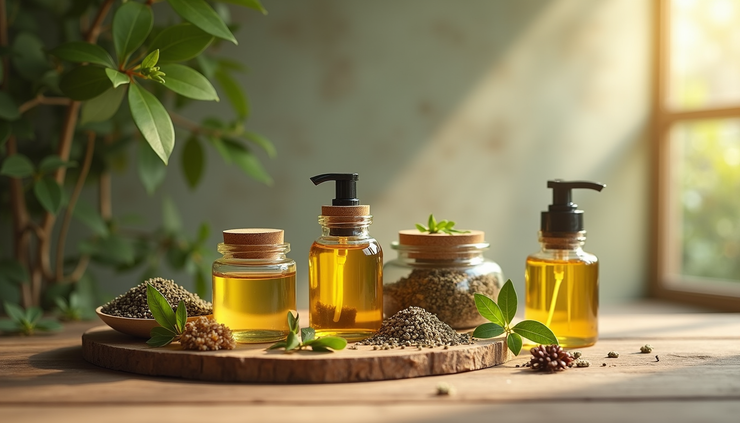
The Role of Preservatives in Shelf Life
Mass market body products typically include synthetic preservatives such as parabens, phenoxyethanol, or formaldehyde releasers. These chemicals prevent bacteria, mold, and yeast growth, which can spoil products and cause skin irritation. Because of these preservatives, mass market products often have shelf lives ranging from 12 to 36 months.
Natural body products avoid or limit synthetic preservatives due to consumer demand for cleaner, chemical-free options. Instead, they rely on natural preservatives like essential oils, vitamin E, or grapefruit seed extract. While these natural alternatives offer some antimicrobial benefits, they are generally less effective at preventing microbial growth over long periods.
This difference means natural products are more vulnerable to contamination once opened and degrade faster, especially if exposed to heat, light, or air.
Ingredient Sensitivity and Stability
Natural body products often use fresh plant extracts, oils, and butters that are rich in nutrients but sensitive to environmental factors. Ingredients like shea butter, coconut oil, aloe vera, and botanical extracts can oxidize or break down quickly without strong preservatives.
For example:
Plant oils can become rancid when exposed to oxygen and heat.
Botanical extracts may lose potency or change color over time.
Water-based natural products are especially prone to microbial growth without strong preservatives.
Mass market products often use synthetic ingredients or highly processed natural ingredients that are more stable and less likely to spoil quickly.
Packaging and Storage Impact
Packaging plays a crucial role in product longevity. Natural body products often come in glass jars, tubes, or recyclable containers that prioritize sustainability. While eco-friendly, these containers may allow more air exposure compared to airtight plastic pumps or tubes used in mass market products.
Air exposure accelerates oxidation and microbial contamination. For example, dipping fingers into a jar introduces bacteria, which can multiply if the product lacks strong preservatives.
Proper storage also affects shelf life. Natural products should be kept in cool, dark places to slow degradation. Mass market products often contain stabilizers that make them less sensitive to storage conditions.
Why Shorter Shelf Life Can Be a Positive
Though shorter shelf life may seem like a drawback, it reflects the absence of harsh chemicals and the use of fresh, active ingredients. Natural products often deliver better skin benefits when used fresh, as their nutrients remain intact.
Consumers who prefer natural body products accept the trade-off of shorter shelf life for cleaner formulas and environmental benefits. This encourages mindful purchasing habits, such as buying smaller quantities and using products promptly.
Tips to Extend the Life of Natural Body Products
To get the most out of natural body products, consider these practical tips:
Store products in a cool, dry place away from direct sunlight and heat.
Use clean hands or a spatula to avoid introducing bacteria into jars.
Close containers tightly after each use to limit air exposure.
Buy smaller sizes to ensure products are used before they expire.
Check expiration dates and observe changes in smell, texture, or color as signs of spoilage.


Comments